 Real photo
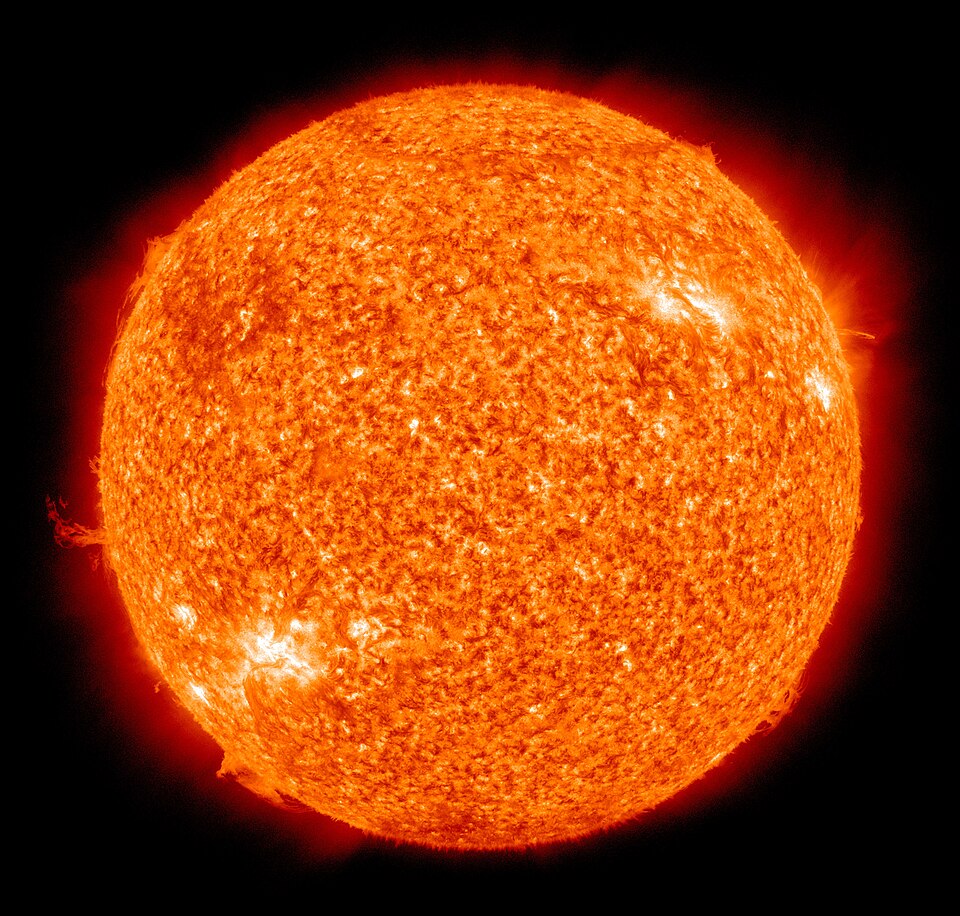
The Sun is a star
A star is a giant ball of hot, glowing gas. It makes its own light and heat. Our Sun is a star. It is the closest star to Earth.
Close, looks big Far, looks tiny Why other stars look tiny
Other stars are suns too, but very far away. Far things look small, so stars look like tiny dots. Many are even bigger than our Sun. Moving air wiggles their light, so they seem to twinkle.
Day: stars hidden Night: stars shine Stars in the daytime
Stars do not go away in the day. Bright sunlight hides them. Bright city lights hide faint stars at night too. Dark country skies show many more.
 Real photo
Star pictures
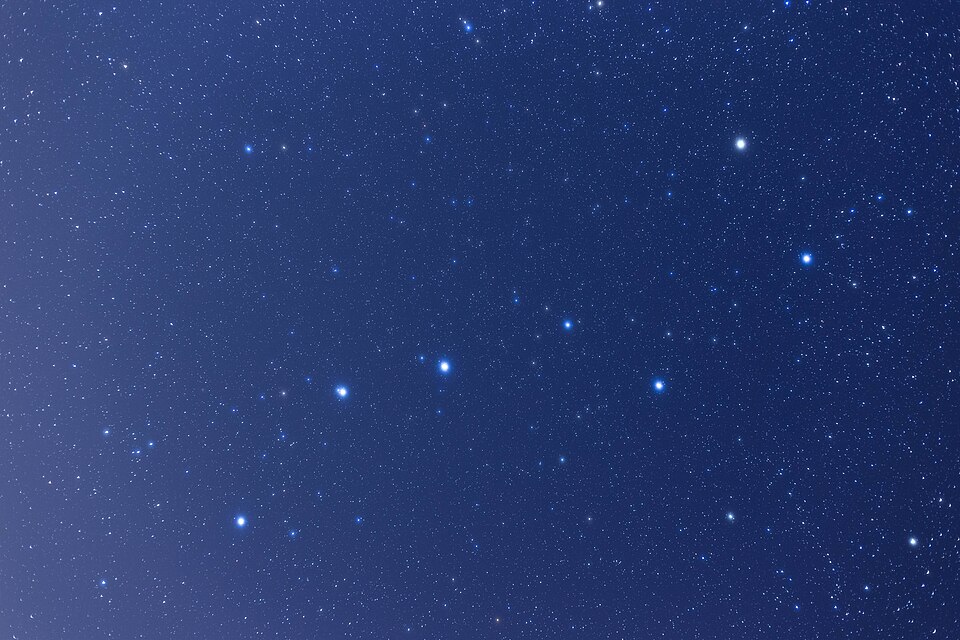
Long ago, people joined stars into pictures. A star picture is called a constellation. The Big Dipper has seven stars shaped like a spoon. It is part of a bigger picture, the Great Bear.
Finding the way
Earth spins, so the stars seem to turn at night. But the North Star almost stays still. Long ago, travelers used it to find north. Connect the stars below, then slide the hours.
For parents
Goal: Your child learns that the Sun is a star, why other stars look tiny, and that stars make pictures that helped travelers find their way.
- Ask: why does the Sun look so much bigger than other stars?
- On a clear night, try to find the Big Dipper together.
- Ask: where do the stars go in the daytime?
Away from the screen: Poke seven holes in a paper cup in the shape of the Big Dipper. In a dark room, shine a flashlight inside and look at the star picture on the ceiling.