On Saturday, Omar and Grandpa visit a history museum. A museum keeps old things safe for people to see. Grandpa says people long ago needed homes, food and water. We need them too.
Real photo
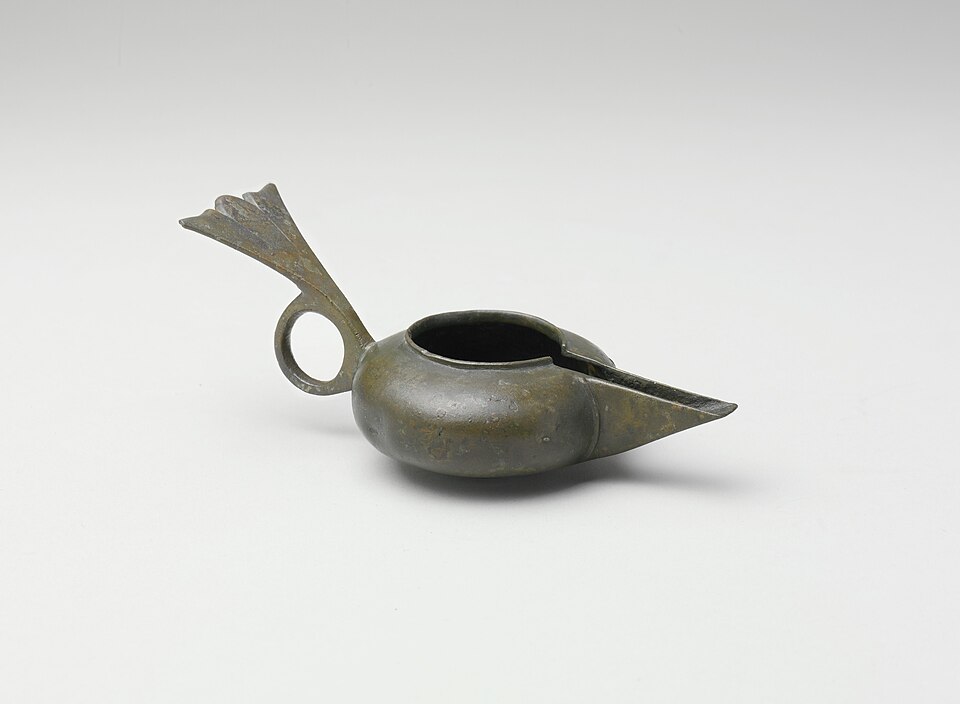
The little lamp
First, Omar sees a small clay lamp. Long ago, people burned oil in lamps like this. Some used candles. Omar thinks of his room at home. Today, most homes use light bulbs.
1Walkingoldest
2Riding a camel
3Driving a car
4Flying
From walking to flying
Next is a big camel saddle. Grandpa says people rode camels across deserts. Camels can go many days without water. First people walked. Then they rode animals. Much later came cars and planes.
RiderThen: carried a letterNow: a text
Tents and letters
Omar looks at a picture of a tent. Some families moved their tents to find grass for animals. Others built houses from mud bricks. To send a letter far away, a rider carried it.
Real photo
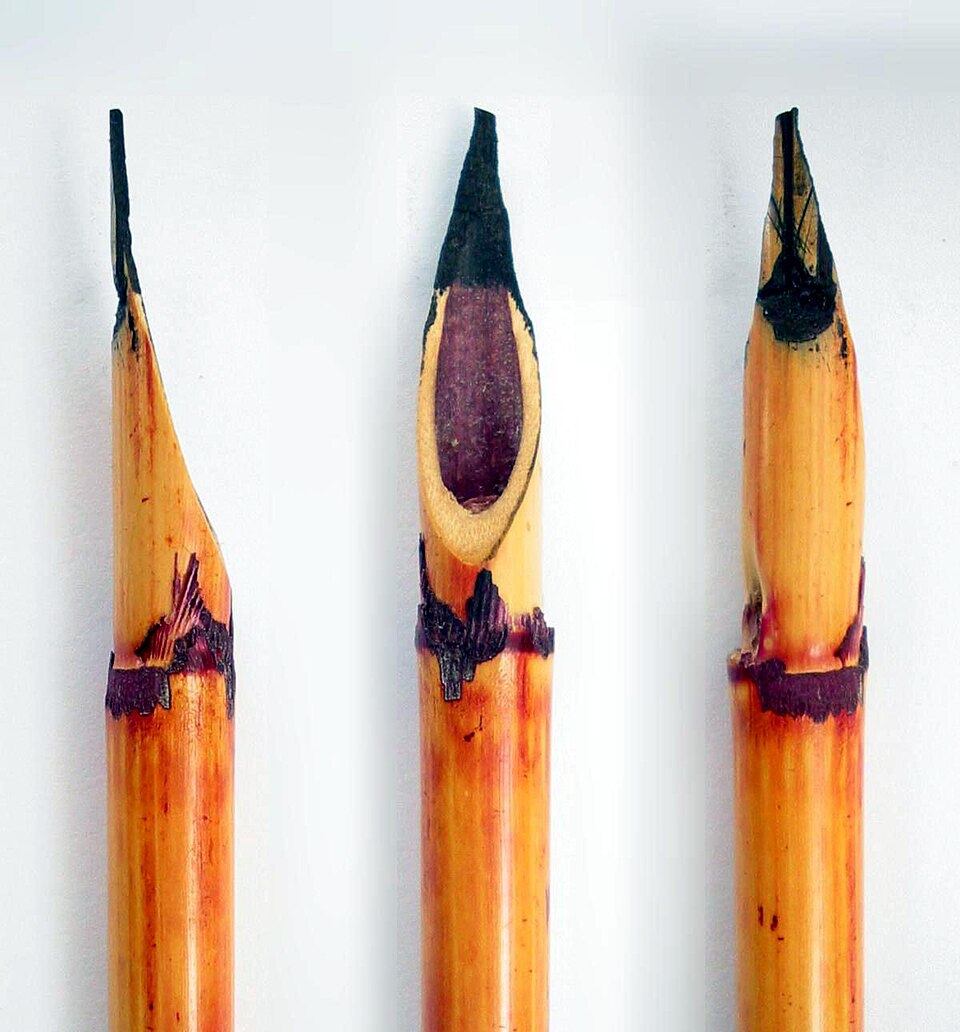
Clay and reed pens
In the last room are clay tablets and reed pens. People pressed marks into clay or carved stone. Later they wrote with reed pens and ink. Omar types on a computer at school.
Some things stay
By the door, Omar sees an old clay pot. It looks like a pot in his own kitchen. Some old things are still used today. Camels still cross deserts too.
For parents
Goal: Your child compares life long ago with life today: light, travel, homes, messages and writing.
Ask: what did Omar see first at the museum? How did it make light?
Point to things at home and ask: was this here long ago, or is it new?
Talk about what stays the same: everyone needs food, water and a home.
Away from the screen: Make a two column page called Then and Now. Draw an old way and a new way to light a room, travel and send a message.
 Real photo
 Real photo