Imagine you travel back 1,000 years. You meet Ibn al-Haytham. He sits in a dark room. Light comes in through a tiny hole. On the wall is an upside down picture of outside.
LightBounces off thingsEyesLight goes in
How we see
He studies light and seeing. He shows that light bounces off things. Then it goes into our eyes. That is how we see. Many people before him thought eyes sent out light.
1Ask a question
2Make a guess
3Test it
4See what happened
Test, do not guess
He does not just guess. He tests his ideas with experiments. An experiment is a test to check an idea. Ask a question. Make a guess. Test it. See what happened.
A doctor in Cordoba
Next you visit Cordoba, a city in Spain today. Al-Zahrawi is a doctor there. He writes a giant book about medicine. It has drawings of over 200 tools for doctors. Other doctors copy them.
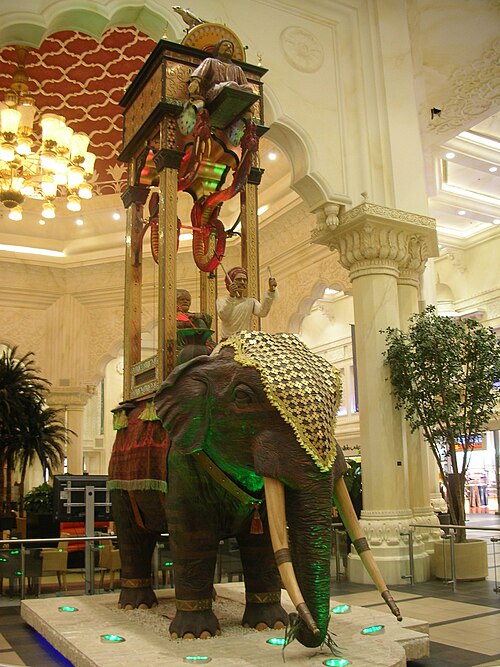
Real photo
The elephant clock
Now jump to about 800 years ago. Al-Jazari builds clever machines moved by water. His famous clock is shaped like an elephant. He draws plans so others can build them too.
11,200 years agoAl-Khwarizmi
21,000 years agoIbn al-Haytham
3800 years agoAl-Jazari
Back home
Back home, you put them on a timeline. Al-Khwarizmi worked about 1,200 years ago. Ibn al-Haytham came about 1,000 years ago. Al-Jazari came about 800 years ago.
For parents
Goal: Your child learns about three scholars from long ago and the steps of an experiment.
Ask: how do we see things? Where does the light go?
Match each scholar to one word: light, doctor, machines.
Away from the screen: Do a small experiment together: guess which things will float in a bowl of water, then test them and see what happened.
 Real photo