 Real photo
A boy between two rivers
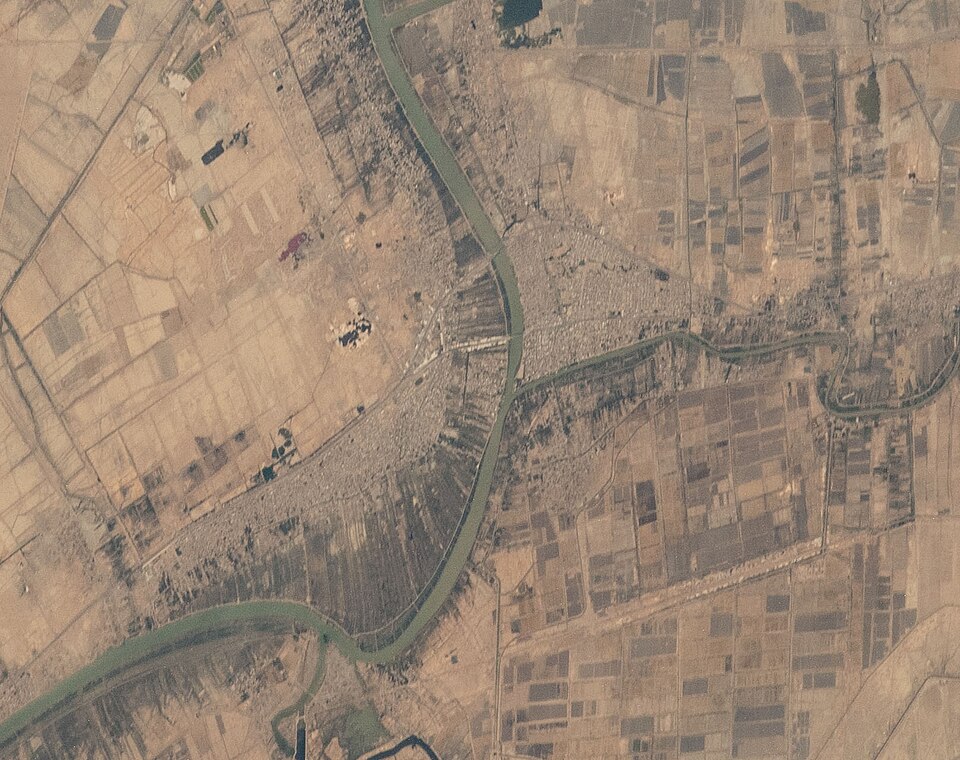
Imagine a boy who lived 5,000 years ago. His home is between two rivers. They are the Tigris and the Euphrates. This land is called Mesopotamia. The name means the land between the rivers. Today most of it is in Iraq.
River water Crops Wheels Water for the fields
His family are farmers. They dig ditches to bring river water to their crops. Carts with wheels carry heavy loads to town. With plenty of food, towns grow into cities. They are some of the first cities.
 Real photo
How many sheep?
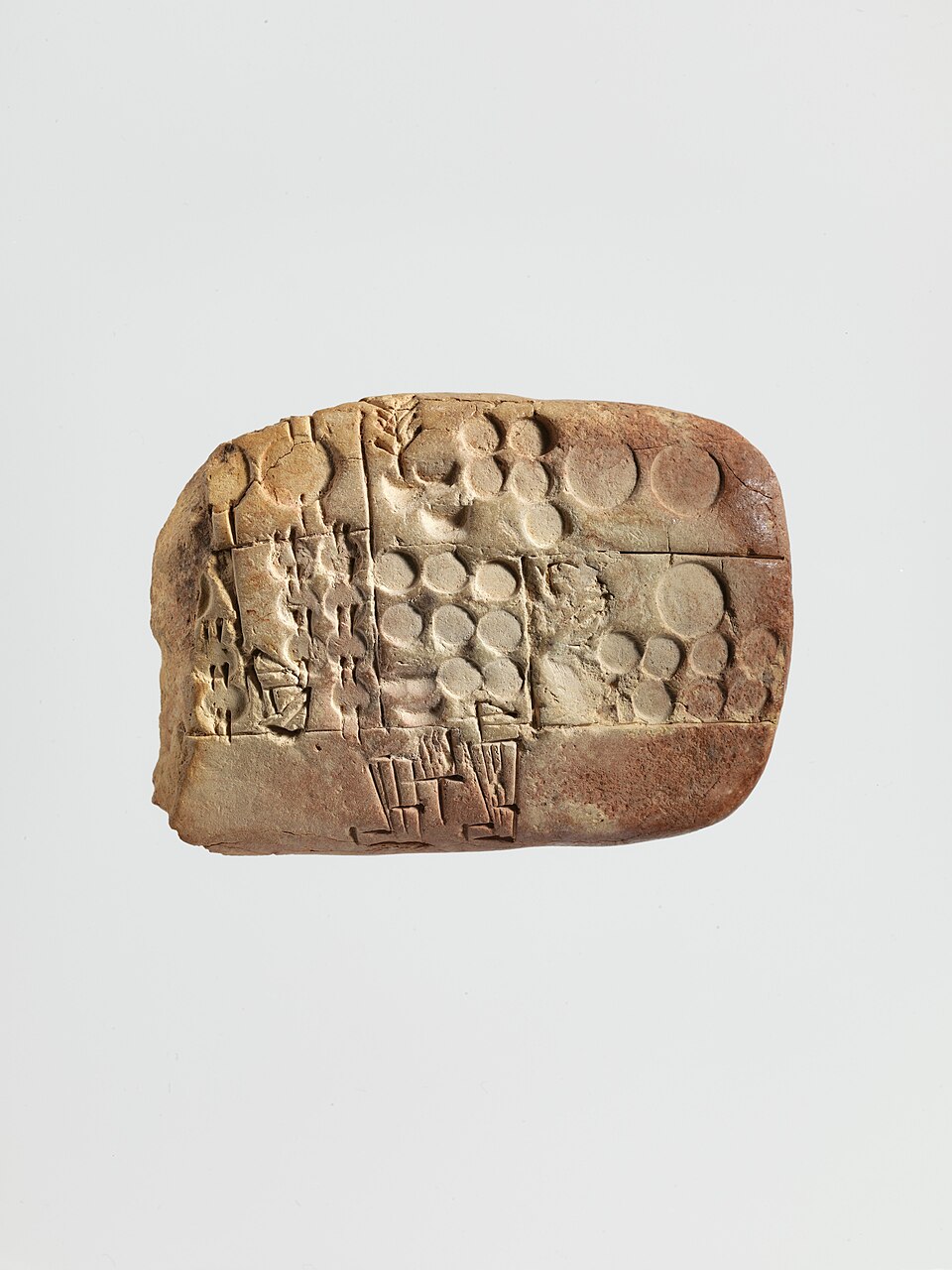
One day, his father trades grain and sheep. How will they remember how many? A scribe writes it down. A scribe is a person whose job is writing. People here were some of the first to write.
 Real photo
Marks in wet clay
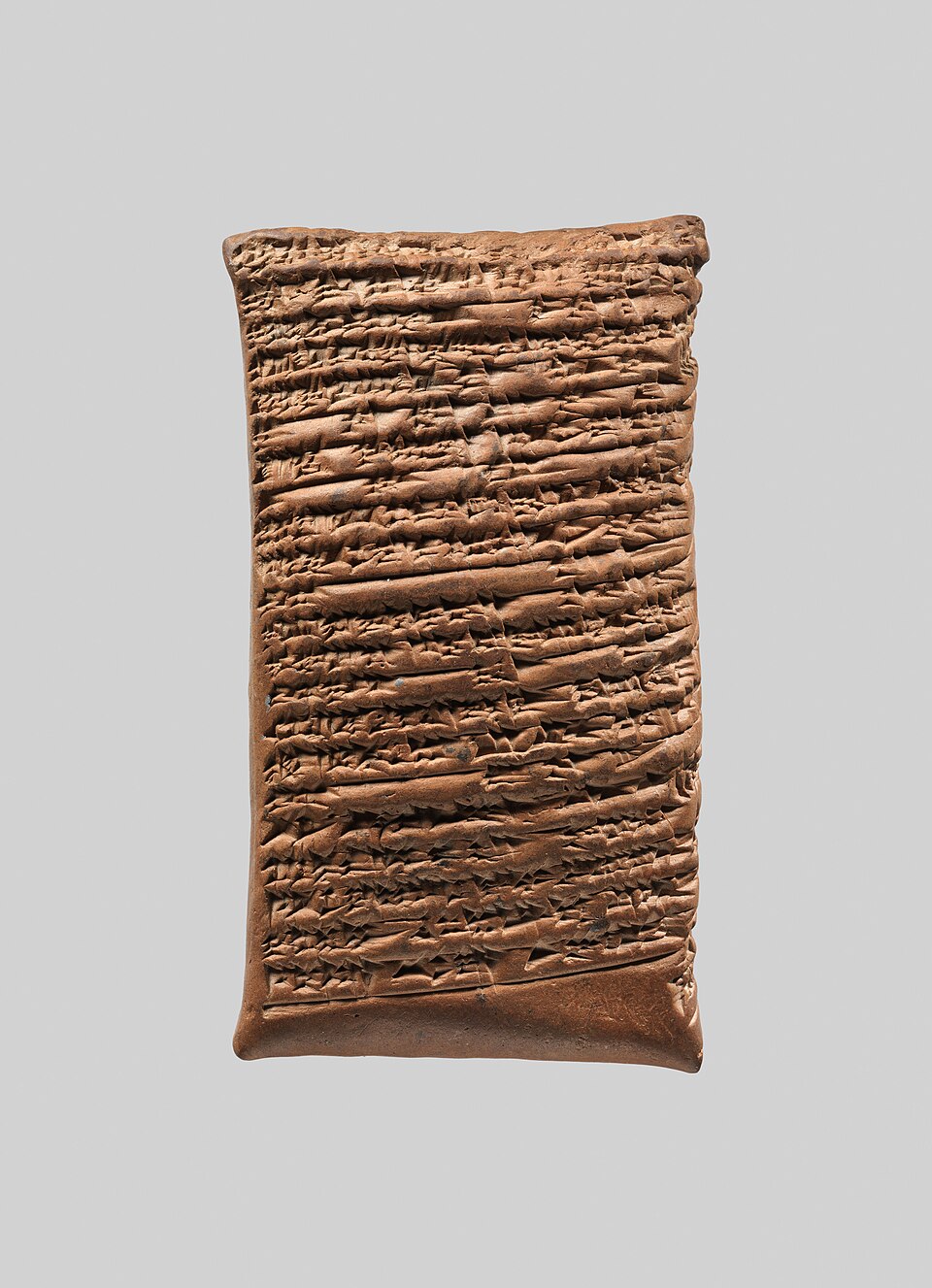
The scribe makes a flat piece of wet clay. He presses marks into it with a sharp reed. The marks look like little wedges. So this writing is called cuneiform. It means wedge shaped.
- cuneiform
Words that last
The boy watches the clay dry hard. Now words can be saved for later. Their writing did not use letters like ours. Dried clay lasts a long time. Many tablets still exist today.
For parents
Goal: Your child learns where Mesopotamia was and how people there were some of the first to write, on clay.
- Ask: what does Mesopotamia mean? Which two rivers ran through it?
- Ask: why did the scribe write down the sheep and grain?
- Talk about why writing matters: we can save words for later.
Away from the screen: Press marks into play dough with a craft stick to make your own clay tablet. Find Iraq on a globe or map.